401-A S Van Brunt Street, Suite 302, Englewood, NJ 07631
2 Executive Boulevard, Suite 306, Suffern, NY 10901
2 Executive Boulevard, Suite 306, Suffern, NY 10901
New Patients
(201) 210-5701
Existing Patients
(201) 947-4777
Transcranial Magnetic Stimulation (TMS) has emerged as a groundbreaking treatment for mood disorders, offering hope to individuals who have not found relief through traditional therapies. At its core, TMS is a non-invasive procedure that uses targeted magnetic pulses to stimulate nerve cells in the brain, promoting neural plasticity and improving mental health outcomes. What sets it apart from other treatments is its precision—delivering therapeutic benefits without the side effects commonly associated with medication or invasive procedures.
Our approach to TMS therapy is rooted in cutting-edge neuroscience and decades of research. By carefully calibrating magnetic pulses to specific brain regions, we can modulate activity in neural circuits that regulate mood, cognition, and emotional regulation. This method has been rigorously validated through clinical trials, demonstrating its effectiveness in treating conditions such as major depressive disorder, anxiety disorders, PTSD, and cognitive decline.
The significance of TMS extends beyond its therapeutic benefits; it represents a shift in how we understand and treat mental health. For many patients, the ability to access a non-invasive, drug-free alternative has been transformative, offering new possibilities for recovery and improved quality of life. As research continues to uncover the full potential of this technology, our commitment remains steadfast: to provide compassionate, evidence-based care that empowers individuals to reclaim their well-being.
The concept of using magnetic fields to influence brain activity dates back several decades. The development of TMS therapy has been a journey marked by significant milestones, each bringing us closer to harnessing the power of neurostimulation for therapeutic purposes.
In the early 1980s, scientists began exploring the use of magnetic stimulation to activate nerve cells in the brain. This led to the development of TMS as a tool for both research and clinical applications. Over time, advancements in technology and our understanding of neuroscience have refined TMS into a precise and effective treatment modality.
One key milestone was the FDA's approval of TMS therapy for treating major depressive disorder in 2008. This approval marked a turning point, validating the safety and efficacy of TMS as a viable alternative to traditional treatments. Since then, ongoing research has expanded its applications to include other mood disorders, cognitive impairments, and even chronic pain management.
TMS therapy operates on well-established principles of neuroscience, leveraging magnetic pulses to induce electrical activity in targeted brain regions. By delivering these pulses through a specialized coil placed near the scalp, TMS can modulate neural circuits involved in mood regulation and cognitive function.
The neurological mechanisms at play are complex but fundamentally sound. Magnetic pulses generate electric fields that stimulate nerve cells, promoting neuroplasticity—the brain's ability to reorganize and form new connections. This process is crucial for enhancing mental health outcomes, as it allows the brain to adapt and compensate for dysfunctional neural pathways.
Clinical trials have consistently shown TMS to be effective in treating a range of conditions. For instance, studies have demonstrated that TMS can reduce symptoms of major depressive disorder by up to 50% in patients who have not responded to conventional treatments. Similarly, research supports its use in managing anxiety disorders, PTSD, and cognitive decline associated with aging or neurodegenerative diseases.
The journey at our center begins with a thorough evaluation designed to understand each patient's unique needs and circumstances. This process includes a comprehensive assessment of symptoms, medical history, and any previous treatments. Our goal is to create a personalized treatment plan that addresses the root causes of the patient's condition.
Once the evaluation is complete, we move on to customized treatment planning. This involves tailoring TMS sessions to target specific brain regions implicated in the patient’s symptoms. The number and frequency of sessions are determined based on individual needs, ensuring optimal outcomes with minimal disruption to daily life.
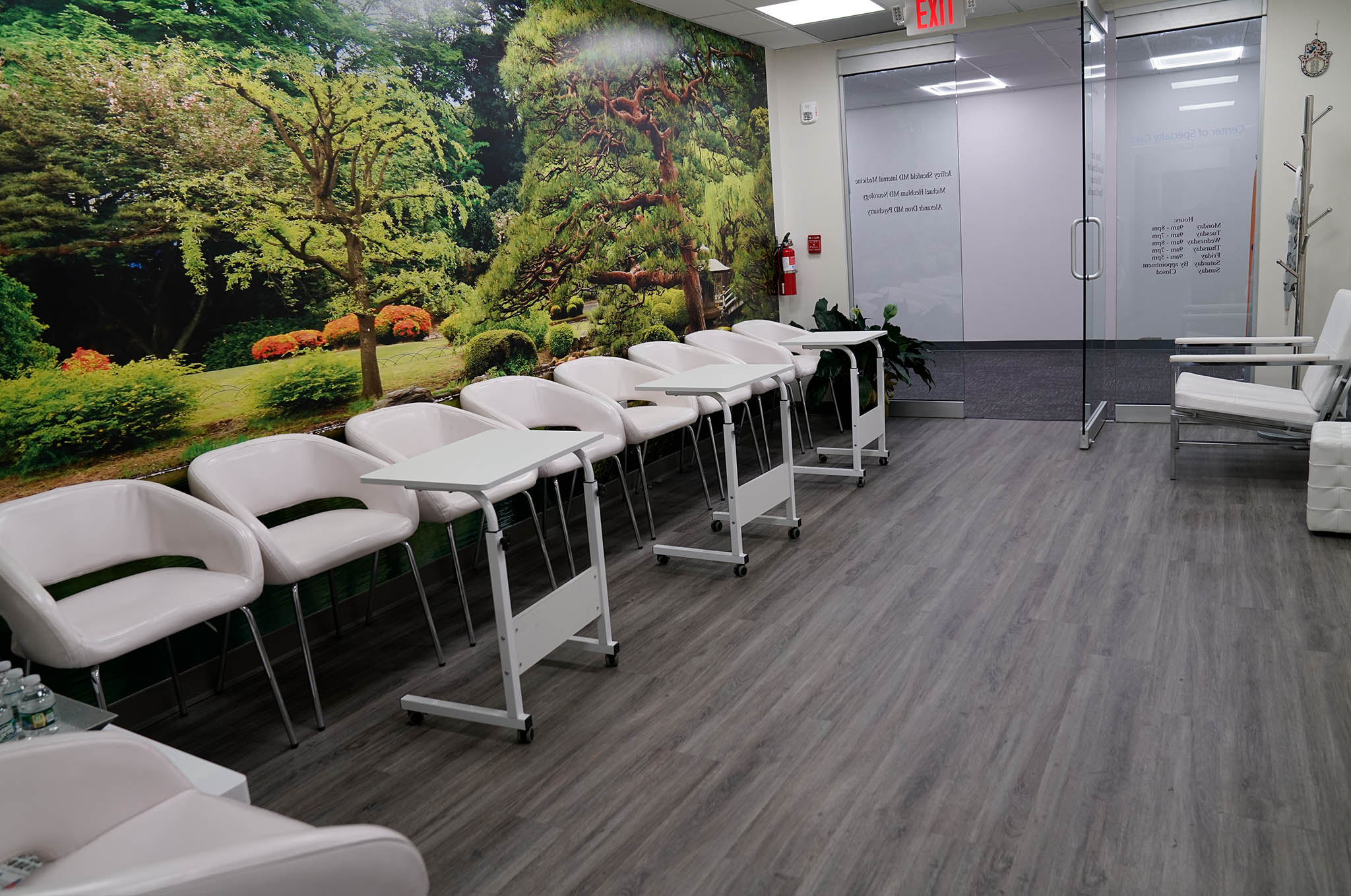
The actual TMS sessions are conducted in a comfortable, supportive environment. Patients sit in a reclining chair while the magnetic coil is positioned near their head. Each session typically lasts about 20-40 minutes, during which patients can relax or even watch TV. Throughout the treatment course, progress is closely monitored to ensure effectiveness and adjust the plan as needed.
The Brain Health Center offers a comprehensive suite of services designed to address various brain health challenges. Our state-of-the-art diagnostics include advanced imaging techniques like MRI and PET scans, which provide detailed insights into brain structure and function. These tools are complemented by neurological evaluations, genetic testing, and ultrasounds, ensuring a thorough understanding of each patient's condition.
In addition to diagnostic services, our Memory Center specializes in comprehensive care for conditions such as dementia, mild cognitive impairment (MCI), Alzheimer’s Disease, vascular dementia, Lewy body dementia, and frontotemporal dementia. Our team employs a multidisciplinary approach, integrating medical expertise with psychological support to enhance quality of life.
For patients experiencing balance disorders or dizziness, we offer specialized evaluations using VNG/Calorics testing, tilt table assessments, audiometric evaluations, and the Rod and Frame Test. These diagnostic tools help pinpoint the underlying causes of symptoms such as vertigo, lightheadedness, and falls, enabling targeted treatment plans.
Our TMS Health Center provides personalized Transcranial Magnetic Stimulation services, including comprehensive evaluations, customized treatment planning, dedicated TMS sessions with progress monitoring, and post-treatment support. We focus on treating conditions such as major depressive disorder, anxiety disorders, obsessive-compulsive disorder, PTSD, and cognitive decline.
Beyond neurological care, we extend our services to mental health through psychiatry and sleep disorder testing. Our psychiatrists offer evidence-based treatments for a wide range of mental health conditions, while our sleep disorder testing helps diagnose and manage issues that disrupt restful sleep.
The field of TMS therapy is continually evolving, with ongoing research expanding our understanding of its benefits and potential applications. Current studies are exploring the use of TMS in treating conditions beyond mood disorders, such as chronic pain, addiction, and even certain types of stroke rehabilitation.
One exciting area of research involves combining TMS with other therapeutic modalities, such as cognitive-behavioral therapy (CBT) or medication, to enhance treatment outcomes. This integrative approach leverages the strengths of multiple interventions, providing a more comprehensive path to recovery.
As we look to the future, advancements in technology and neuroscience promise to further refine TMS therapy. Innovations such as personalized brain mapping and real-time neurofeedback could revolutionize how we deliver care, making treatments even more precise and effective.
The Brain Health Center stands out as a leader in integrated brain health care, committed to delivering compassionate, evidence-based treatment. Our multidisciplinary team of experts, led by Dr. Mona Ersjadi alongside Dr. Michael Heublum and Dr. Jeffrey Shenfeld, ensures that each patient receives the highest standard of care.
Our approach is guided by a deep understanding of brain health and a dedication to personalized treatment plans. We believe in empowering patients through education and support, helping them navigate their journey toward recovery with confidence and resilience.
By uniting cutting-edge diagnostics (MRI/PET scans, genetic testing), interdisciplinary expertise, and personalized care plans, we are committed to improving the quality of life for every individual we serve. Our vision is to become New Jersey’s leading center for integrated brain health, setting new standards in patient-centered care.
If you or a loved one is struggling with mood disorders, cognitive impairments, or other brain health challenges, The Brain Health Center is here to help. Our comprehensive services and innovative approaches offer hope for a brighter future. Contact us today to learn more about how we can support your journey toward improved well-being.