401-A S Van Brunt Street, Suite 302, Englewood, NJ 07631
2 Executive Boulevard, Suite 306, Suffern, NY 10901
2 Executive Boulevard, Suite 306, Suffern, NY 10901
New Patients
(201) 210-5701
Existing Patients
(201) 947-4777

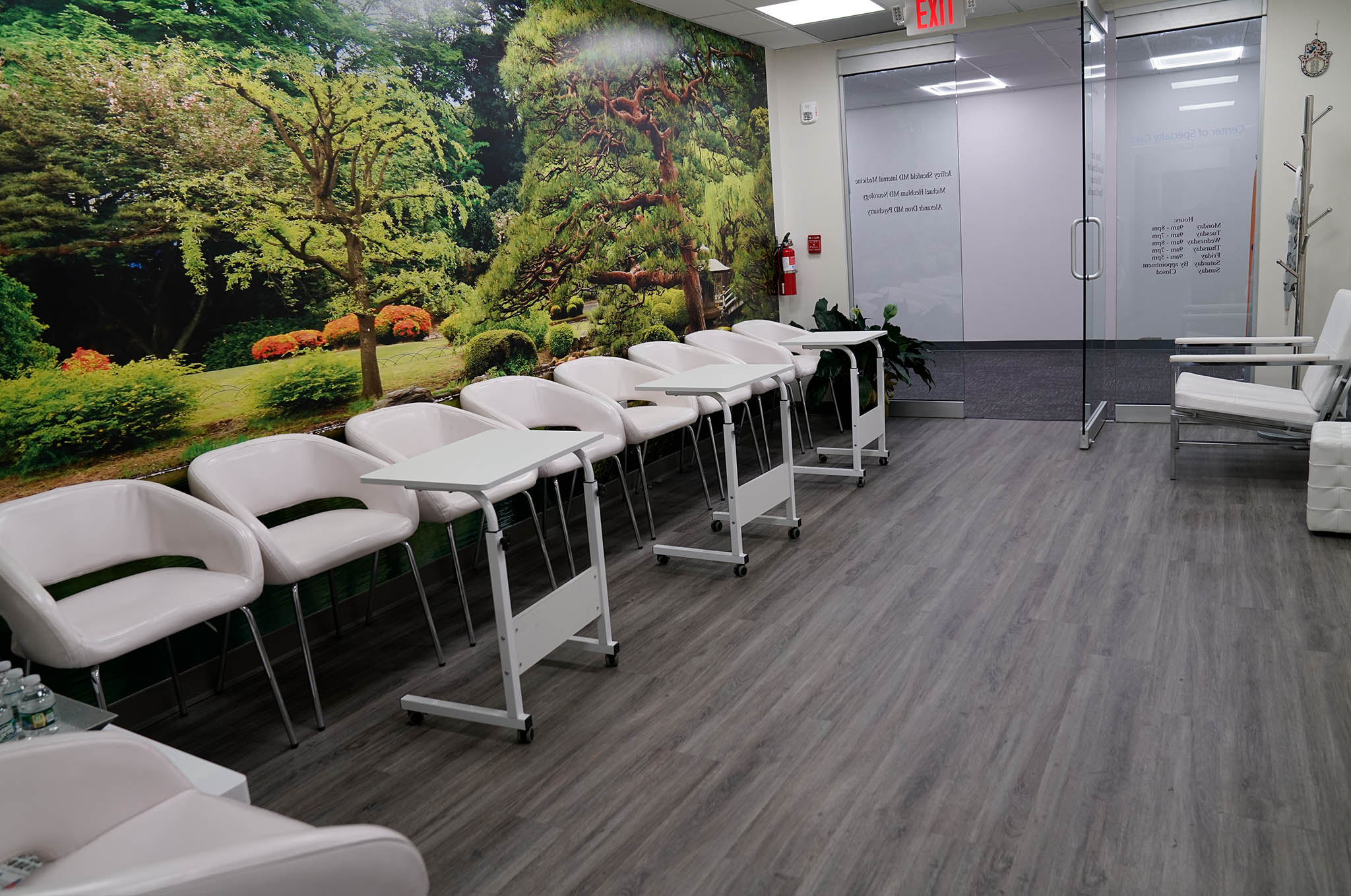
Transcranial Magnetic Stimulation (TMS) therapy has emerged as a powerful tool for addressing mood disorders such as depression—a condition that can be both complex and deeply personal. At The Brain Health Center, TMS isn’t just about delivering pulses of magnetic energy; it represents a nuanced approach where every treatment session is tailored to the individual’s needs. By closely observing how symptoms evolve, we gain invaluable insights into each patient’s unique response to therapy.
Central to this adaptive process are regular progress assessments that blend clinical observation with thoughtful analysis. We employ methods such as detailed symptom tracking and cognitive evaluations to capture subtle changes in our patients’ conditions. These assessments form the backbone of personalized care—enabling us to adjust treatment protocols precisely when needed, whether that means recalibrating stimulation parameters or modifying session frequencies. This careful calibration not only optimizes treatment outcomes but also reassures those undergoing therapy that their experience is continuously refined for maximum benefit.
Adjustments in a are driven by an unwavering commitment to patient-centered care. As our understanding of each individual’s journey deepens through ongoing evaluations, we are better equipped to address fluctuations in symptom severity or shifts in response patterns. In this way, every session is not just a routine procedure but part of an evolving strategy aimed at achieving the best possible results—a reflection of our dedication to ensuring that treatment remains as dynamic and responsive as the people it serves.
offers hope for individuals grappling with mood disorders, particularly those who have found limited relief through traditional methods. This non-invasive procedure harnesses magnetic fields to stimulate nerve cells in the brain, promoting improved mood and cognitive function without the need for medication or surgery. At its core, TMS is about restoring balance—both physically and emotionally.
Before diving into treatment specifics, it’s important to understand what makes TMS unique: its highly personalized nature. Unlike one-size-fits-all approaches, TMS recognizes that each person’s experience with mood disorders is distinct. As such, every treatment plan begins with a comprehensive evaluation designed to map out the intricacies of an individual’s condition and tailor therapy accordingly. This initial assessment sets the stage for ongoing progress monitoring, ensuring that care remains aligned with each patient's evolving needs.
For those new to TMS, it can be reassuring to know that while technology plays a pivotal role in delivering treatment, human expertise is what truly drives its effectiveness. Our team of specialists—including Dr. Mona Ersahdi, Dr. Michael Heublum, and Dr. Jeffrey Shenfeld—are not only leaders in their field but also advocates for personalized care. Their dedication ensures that every session is an opportunity to refine therapy based on real-time feedback and observations.
TMS sessions typically last around 20 minutes and are conducted five days a week over the course of several weeks. During these treatments, patients remain awake and alert, allowing them to engage fully with their surroundings while receiving care. This aspect of TMS—its non-invasive nature combined with its adaptability—makes it an appealing option for those seeking effective yet comfortable therapy.
What sets TMS apart from other treatment modalities is not just its technical prowess but also the comprehensive support system that surrounds each patient’s journey. From initial consultations to post-treatment follow-ups, every step of the process is designed with individual well-being in mind. This holistic approach ensures that patients feel supported throughout their therapeutic experience.
For many, TMS represents more than just a treatment option—it signifies a pathway towards reclaiming control over one’s mental health. By offering targeted relief from debilitating symptoms and fostering an environment of personalized care, TMS empowers individuals to take active steps toward recovery.
Regular assessments are the backbone of effective TMS therapy. These evaluations serve as critical checkpoints along the treatment journey, providing valuable insights into how patients are responding to care. By tracking symptom changes and cognitive improvements, we gain a comprehensive view of each individual’s progress—allowing us to make informed decisions about necessary adjustments.
Symptom tracking is one of the primary methods used during TMS therapy. This involves regular check-ins where patients report on their mood, energy levels, and overall well-being. These reports help identify trends and patterns that might indicate whether current protocols are yielding desired results or if modifications are needed. Cognitive assessments complement symptom tracking by evaluating mental acuity, memory function, and other critical aspects of brain health.
These evaluations are not just clinical exercises; they form the basis for creating truly personalized treatment plans. By understanding how each patient responds to therapy over time, we can fine-tune protocols to maximize efficacy. This adaptive approach ensures that every session is optimized for individual needs—whether it means adjusting stimulation intensity or altering session frequency.
When it comes to progress monitoring during TMS sessions, consistency is key. Regular assessments ensure that any shifts in symptoms or cognitive function are promptly identified and addressed. This proactive stance allows us to intervene early if needed, preventing potential setbacks and maintaining steady progress toward recovery.
It’s worth noting that these evaluations go beyond mere data collection; they foster a collaborative relationship between patients and healthcare providers. By actively engaging in their treatment process through regular assessments, individuals gain a deeper understanding of their condition and how best to manage it. This mutual involvement strengthens the therapeutic bond, enhancing both trust and outcomes.
In essence, progress monitoring during TMS therapy is about more than just tracking symptoms—it’s about creating an ongoing dialogue that informs every aspect of care. Through continuous evaluation and adjustment, we ensure that treatment remains responsive to each patient's unique journey toward improved mental health.
Adjusting a TMS protocol involves modifying various aspects of the treatment plan based on how patients respond over time. These changes can range from altering stimulation parameters to adjusting session frequencies—all aimed at enhancing therapeutic outcomes. Common reasons for making these adjustments include fluctuations in symptom severity or shifts in patient response patterns.
The need for adjustments underscores the dynamic nature of TMS therapy. Mood disorders are complex and multifaceted, often requiring flexible approaches that adapt to evolving conditions. By remaining vigilant through regular progress monitoring, we can identify when changes are necessary and implement them swiftly—ensuring continuous optimization of treatment efficacy.
One key aspect of adjusting TMS protocols is understanding what adjustments mean for patients. It’s important to recognize that these modifications are part of an ongoing effort to tailor therapy precisely to individual needs. They reflect our commitment to providing personalized care rather than adhering rigidly to pre-set plans. This flexibility allows us to address any challenges that arise during treatment, ensuring sustained progress toward recovery.
For instance, if a patient experiences increased symptom severity midway through their TMS journey, it may indicate the need for more frequent sessions or higher stimulation intensity. Conversely, if symptoms improve significantly, we might reduce session frequency while maintaining therapeutic gains. These adaptive strategies ensure that treatment remains effective without compromising comfort or safety.
It’s also crucial to highlight that adjustments are not indicative of failure but rather a natural progression within TMS therapy. They represent an opportunity to refine care based on real-time data and observations. By embracing this fluid approach, we foster an environment where continuous improvement is the norm—benefiting both patients and providers alike.
Another critical point about adjusting TMS protocols is the role of patient feedback in guiding these changes. Regular assessments provide valuable insights into how individuals are responding to therapy, but it’s equally important for patients to share their experiences openly. This open communication helps us make informed decisions about necessary adjustments, ensuring that treatment remains aligned with each person's unique journey.
In summary, understanding adjustments in TMS protocols is about recognizing the importance of flexibility within therapeutic care. By remaining responsive to individual needs through continuous evaluation and modification, we ensure that treatment not only addresses current symptoms but also anticipates future challenges—ultimately enhancing overall outcomes.
TMS sessions are structured to provide a comfortable and effective therapeutic experience. Typically lasting around 20 minutes each, these treatments involve delivering magnetic pulses to specific areas of the brain associated with mood regulation. Patients remain awake throughout the session, allowing them to engage fully while receiving care.
During your TMS journey, you can expect a series of sessions conducted over several weeks. The exact frequency and duration will depend on your individualized treatment plan—developed based on initial evaluations and ongoing progress monitoring. This structured approach ensures that therapy remains consistent yet adaptable, accommodating any changes in symptom severity or response patterns.
Progress monitoring is seamlessly integrated into each TMS session. Before and after treatments, patients may undergo brief assessments to track symptoms and cognitive function. These check-ins not only help gauge therapeutic effectiveness but also inform necessary adjustments to the treatment protocol. By continuously evaluating progress, we ensure that care remains optimized for individual needs throughout the entire process.
Safety is paramount during TMS sessions. The non-invasive nature of this procedure minimizes risks while maximizing benefits. Patients can expect a comfortable environment where they feel supported every step of the way. Our team of specialists ensures that each session is conducted with precision and care, fostering an atmosphere conducive to recovery.
Another aspect of TMS sessions worth noting is their role in promoting overall well-being beyond symptom relief. By targeting specific brain regions involved in mood regulation, these treatments can lead to improved cognitive function and enhanced emotional stability. This holistic approach underscores our commitment to treating the whole person—addressing both physical symptoms and underlying mental health concerns.
It’s also important for patients to understand that while TMS sessions are designed to be efficient, they require commitment over time. Consistency is key in achieving optimal outcomes; thus, adhering to the recommended treatment schedule is essential. By staying engaged throughout the process, individuals can maximize therapeutic benefits and pave the way toward sustained recovery.
In addition to regular TMS sessions, patients may also participate in additional support services offered by our practice. These resources complement therapy by providing further tools for managing mood disorders effectively. From educational workshops to group counseling sessions, we offer comprehensive care designed to empower individuals on their journey towards improved mental health.
Ongoing evaluations play a pivotal role in enhancing the success of TMS therapy. By continuously assessing symptom changes and cognitive improvements, these check-ins provide valuable data that informs treatment adjustments. This proactive approach ensures that care remains responsive to individual needs—maximizing therapeutic outcomes over time.
Numerous studies have highlighted the benefits of personalized TMS therapy adjustments. Research indicates that patients who undergo regular progress monitoring experience improved treatment efficacy and higher satisfaction rates. These findings underscore the importance of continuous evaluation in optimizing therapeutic results, reinforcing our commitment to delivering high-quality care.
One study published in the Journal of Affective Disorders found that individuals receiving tailored TMS treatments reported significant reductions in depressive symptoms compared to those undergoing standard protocols. This research supports the notion that adaptive therapy—guided by ongoing assessments—yields superior outcomes by addressing each person's unique condition more effectively.
The positive impact of ongoing evaluations extends beyond immediate therapeutic benefits. By fostering a collaborative relationship between patients and healthcare providers, these assessments create an environment where continuous improvement is prioritized. This mutual involvement not only enhances trust but also empowers individuals to take active roles in their treatment journeys.
Regular progress monitoring allows us to identify potential challenges early on—enabling swift interventions that prevent setbacks. By remaining vigilant through consistent evaluations, we can address any issues promptly, ensuring sustained progress toward recovery. This proactive stance underscores our dedication to providing comprehensive care that adapts seamlessly to each person's evolving needs.
Ultimately, the impact of ongoing evaluations on treatment success lies in their ability to create a dynamic therapeutic experience tailored precisely for individual well-being. Through continuous assessment and adjustment, we ensure that TMS therapy remains effective and responsive—delivering optimal outcomes while fostering an environment of support and growth.
The is a collaborative effort between patients and healthcare providers. By actively participating in their treatment process, individuals play a crucial role in achieving the best possible results. Regular progress monitoring sessions offer opportunities for open communication, allowing patients to share feedback that informs necessary adjustments.
At The Brain Health Center, we believe in empowering our patients throughout their therapeutic experience. Encouraging active involvement fosters a sense of ownership over one’s mental health journey—a mindset that enhances both engagement and outcomes. By working together towards shared goals, we create an environment where continuous improvement is not just a concept but a lived reality.
One way to foster this collaborative spirit is by ensuring transparency throughout the TMS process. From initial consultations to post-treatment follow-ups, maintaining open lines of communication helps build trust and understanding. Patients should feel comfortable asking questions or expressing concerns at any point during their journey—knowing that their input matters in shaping effective care.
To further support this partnership, we offer a range of additional resources designed to complement TMS therapy. These include educational materials, support groups, and counseling services—all aimed at providing comprehensive care tailored to individual needs. By leveraging these tools, patients can gain deeper insights into their conditions while developing strategies for managing symptoms effectively.
Remember, achieving optimal results through TMS therapy requires more than just adherence to treatment protocols; it demands active engagement from both sides. As healthcare providers, we are committed to delivering personalized care that adapts seamlessly to each person's unique journey. In turn, patients must embrace their role as active participants—sharing feedback openly and engaging fully in every aspect of their therapeutic experience.
We invite you to reach out with any questions or concerns throughout your TMS therapy journey. Our team at The Brain Health Center is here to support you every step of the way, ensuring that your path toward improved mental health is both effective and empowering. Together, we can navigate this process collaboratively—achieving optimal results through shared dedication and mutual respect.