401-A S Van Brunt Street, Suite 302, Englewood, NJ 07631
2 Executive Boulevard, Suite 306, Suffern, NY 10901
2 Executive Boulevard, Suite 306, Suffern, NY 10901
New Patients
(201) 210-5701
Existing Patients
(201) 947-4777

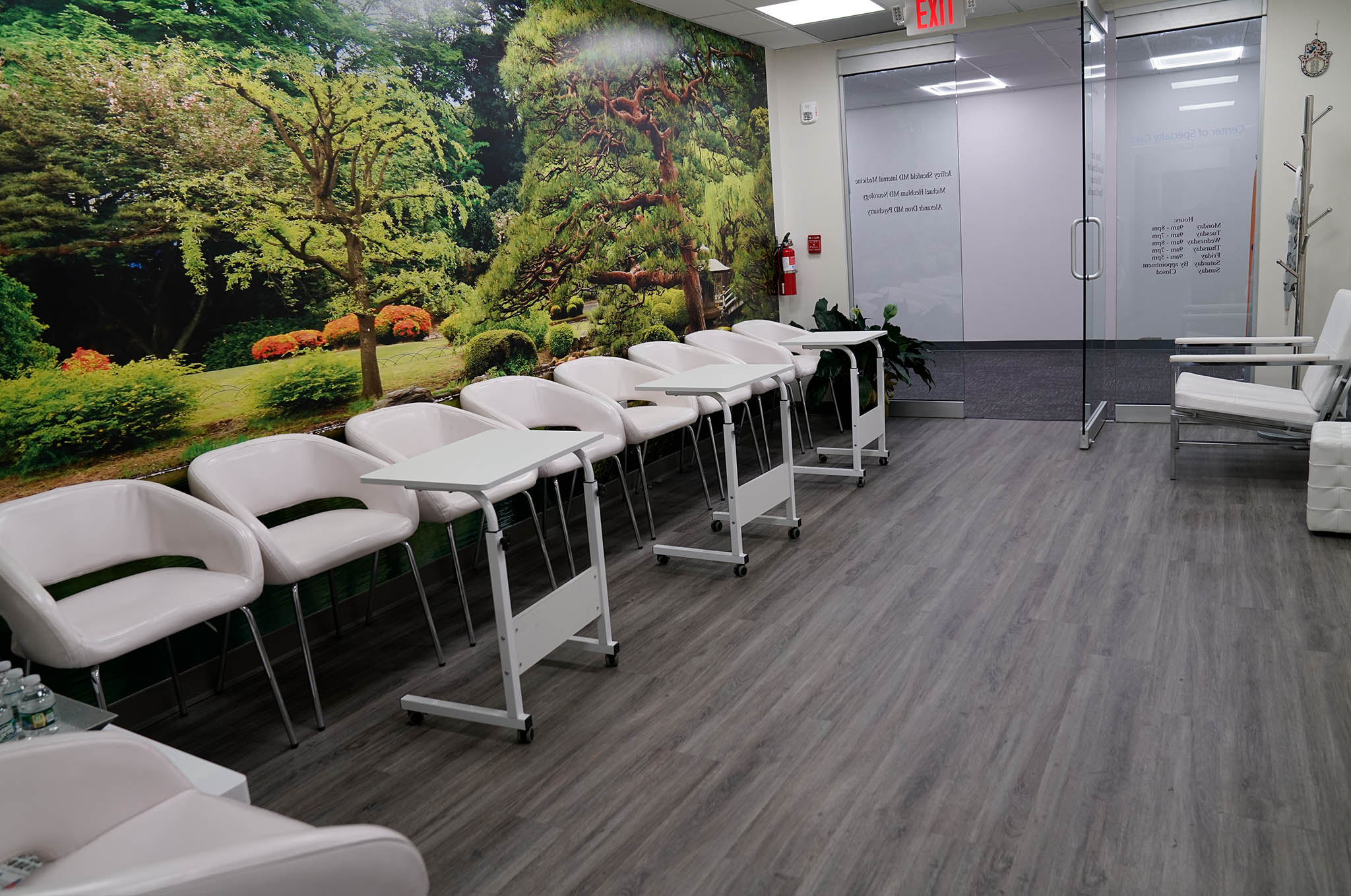
When recovery reaches its next phase, it isn’t just about surviving treatment—it’s about thriving long after the initial interventions have ended. In our experience, sustained post-treatment support plays a central role in ensuring that recovery becomes a lasting reality rather than a transient improvement. By closely monitoring progress and adapting care plans to evolving needs, we help patients navigate the complexities of their healing journey with confidence.
At its core, post-treatment support is about creating a bridge from intensive therapy to everyday life. Our approach begins by understanding that every patient’s experience is unique; what works for one individual may not suit another. By crafting personalized care plans through detailed assessments and collaborative discussions, we ensure that each person receives the right mix of interventions and guidance. This level of customization—grounded in both clinical expertise and patient feedback—is crucial in addressing specific challenges such as lingering symptoms or adapting to new life circumstances.
But it goes beyond merely scheduling follow-up visits; our commitment extends to continuous monitoring and education. Regular assessments allow us to catch subtle shifts before they become significant obstacles, while ongoing educational resources empower patients with the knowledge to manage their conditions independently. In this way, sustained support not only reinforces clinical outcomes but also fosters a deeper sense of self-awareness and resilience, ensuring that recovery is not an isolated event but a dynamic, long-term process.
As we look beyond the immediate post-treatment phase, it becomes clear that recovery is an ongoing journey rather than a destination. The concept of "long-term recovery" encompasses not just physical health improvements but also psychological and social well-being. Patients recovering from neurological disorders like dementia or mental health conditions treated with TMS therapy often face a complex web of challenges that extend far beyond the initial treatment period.
Historically, healthcare models have focused primarily on acute care—addressing immediate medical needs without always considering what comes next. However, modern approaches are increasingly recognizing the importance of comprehensive post-treatment support. This evolution reflects a growing understanding that sustained wellness requires more than just clinical interventions; it demands holistic care that addresses emotional, social, and practical aspects of life.
So, what does this journey entail? Post-treatment support involves regular check-ins to monitor progress, personalized care plans tailored to individual needs, and continuous education to equip patients with the tools they need for self-management. It’s about creating a supportive environment where patients feel empowered to take control of their health, even as they navigate the uncertainties that come with recovery.
One size does not fit all when it comes to post-treatment care. Each patient's journey is unique, shaped by a constellation of factors including medical history, personal circumstances, and specific needs. This is why personalized care plans are essential; they allow us to tailor support strategies that address the individual challenges each person faces.
To create an effective care plan, we begin with a comprehensive assessment. This involves evaluating not just physical health but also emotional well-being, social support systems, and daily routines. For instance, someone recovering from dementia may need assistance with memory exercises and cognitive stimulation, while a patient treated with TMS therapy for depression might benefit more from mood-tracking tools and stress management techniques.
But the process doesn’t stop at assessment; it’s an ongoing collaboration between patients and their care teams. Regular reviews allow us to adapt plans as needs evolve, ensuring that support remains relevant and effective. By involving patients in their own care planning, we foster a sense of ownership over their recovery journey, making them active participants rather than passive recipients.
Regular follow-ups are not just about tracking progress—they're about building relationships and trust. These appointments provide opportunities to discuss any concerns or challenges that have arisen since the last visit, offering a safe space for patients to voice their fears, frustrations, or successes. They also allow us to make necessary adjustments to care plans based on real-time feedback.
During these check-ins, we focus not only on clinical outcomes but also on broader aspects of well-being. For example, we might explore how a patient is coping emotionally with their condition, assess the impact on daily activities, and identify any barriers that could hinder progress. This holistic approach ensures that every dimension of health is addressed, fostering a more comprehensive recovery experience.
One crucial aspect of follow-ups is education. Each visit presents an opportunity to reinforce self-care practices, provide updates on the latest research findings, or introduce new strategies for managing symptoms. By equipping patients with knowledge and skills, we empower them to take charge of their health, reducing dependence on external support over time.
Monitoring progress is an essential component of post-treatment care. Unlike traditional check-ins that occur at fixed intervals, continuous monitoring provides a real-time view of a patient's condition. This allows us to intervene proactively rather than reactively, addressing issues before they escalate into more significant problems.
But what does this look like in practice? Continuous monitoring might involve regular assessments using standardized tools, such as cognitive tests for dementia patients or mood questionnaires for those with mental health conditions. It could also include wearable devices that track physical activity levels, sleep patterns, and other vital signs, offering insights into overall wellness.
This approach is not just about tracking symptoms; it’s about celebrating milestones and adapting goals as patients improve. By maintaining a continuous dialogue with our patients, we can ensure that their care plans evolve in step with their changing needs, keeping them engaged and motivated throughout the recovery process.
Education is more than just learning facts—it's about gaining confidence. By providing patients with comprehensive resources on their conditions, we help them understand what they're experiencing and why. This knowledge forms the foundation for effective self-management, enabling individuals to take control of their health in meaningful ways.
The educational journey begins at diagnosis but continues long after treatment ends. Our approach involves a range of tools, from detailed guides and workshops to online resources that patients can access anytime. These materials cover everything from symptom management techniques to lifestyle adjustments, offering practical tips for navigating daily life with a neurological or mental health condition.
But education isn’t just about imparting information; it’s about fostering self-awareness and resilience. By encouraging patients to ask questions, share their experiences, and seek support when needed, we create an environment where they feel empowered to advocate for themselves. This sense of agency is crucial in promoting sustained wellness and ensuring that recovery remains a priority long after treatment concludes.
At The Brain Health Center, our commitment to post-treatment support is unwavering. We understand that recovery is not a linear process; it involves setbacks as well as victories. Our approach reflects this reality, offering continuous monitoring, personalized care plans, regular follow-ups, and educational resources tailored to each patient's unique journey.
By fostering an environment where patients feel supported, informed, and empowered, we help them navigate the complexities of recovery with confidence. Whether you’re dealing with neurological disorders like dementia or mental health conditions treated with TMS therapy, our team is here to provide comprehensive care that addresses every aspect of your well-being.
If you’re seeking a partner in your long-term brain health journey, look no further than The Brain Health Center. Our dedicated specialists are committed to delivering expert, integrated care that treats the whole person—ensuring that each individual receives the attention and personalized treatment they need for sustained wellness.